
For generations, farmers and food processors across Madhya Pradesh have relied on the hot Indian sun to dry their crops. From drying red chilies in Nimar to preserving herbs and spices, sun drying is a practice deeply rooted in our agricultural history.
However, as the food processing industry grows and market standards become stricter, businesses are facing a critical choice: Should you stick with traditional sun drying, or upgrade to a commercial Electric Dehydration Machine?
If you want to scale your business, maintain high-quality standards, and reach premium markets, understanding the difference between these two methods is essential.
The Traditional Method: Sun Drying
The Pros:
The biggest advantage of sun drying is obvious—it utilizes free energy. Laying out your produce on rooftops or tarps requires very little initial financial investment.
The Cons (The Hidden Costs):
While the sunlight is free, the actual cost to your business can be high:
Unpredictable Weather: MP’s weather can be unpredictable. An unexpected shower or high humidity can ruin an entire batch of produce overnight, leading to massive financial losses.
Poor Hygiene: Open-air drying exposes your valuable crops to dust, vehicle pollution, insects, and bird droppings.
Quality Loss: Direct, intense UV sunlight often bleaches the natural color out of vegetables and spices, and can destroy heat-sensitive vitamins and essential oils. The end product often looks dull and lacks flavor.
Time-Consuming: Sun drying is a slow process that requires constant manual labor to turn the produce and bring it inside at night.
The Modern Solution: Electric Dehydration
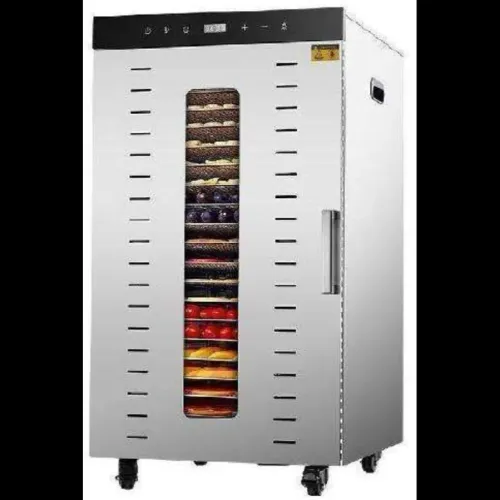
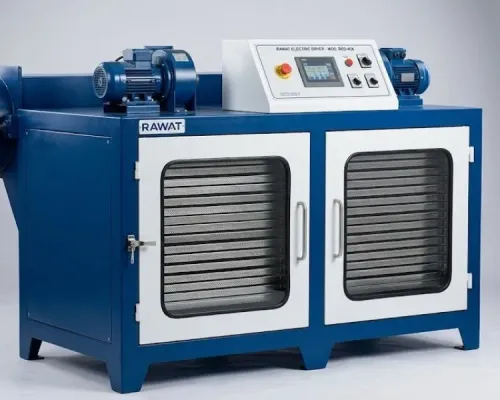
An industrial food dryer is an enclosed chamber that uses controlled heat and fans to circulate warm air, gently pulling moisture out of the food.
The Pros:
100% Hygienic Process: Because the drying happens in a closed, stainless steel environment, your produce remains completely safe from dust and pests. This is the only way to meet the strict hygiene standards required by large buyers and FMCG brands.
Consistent, Premium Quality: With precise temperature controls, you preserve the bright natural colors, strong aromas, and nutritional value of your produce. Premium quality means you can command premium prices in the market.
24/7 Operation regardless of Weather: Rain or shine, day or night, your production never stops. You can dry large batches in a fraction of the time it takes under the sun.
Space Saving: A commercial dehydrator utilizes vertical space with multiple stacking trays, freeing up your floor space.
The Cons:
The only real drawback is the initial investment in the machinery and the ongoing electricity usage. However, the premium price you get for export-quality dried goods easily offsets these operational costs.
The Verdict: Which is Better?
If you are just drying a few kilograms for personal household use, sun drying is perfectly fine.
But if you are running a serious business—whether you are an MSME in Bhopal, an agricultural trader in Ujjain, or a food processor in Gwalior—you need reliability. Relying on the weather is a risk you cannot afford. Upgrading to an electric dryer is an investment in quality control, speed, and long-term profitability.
At Rawat Impex, we manufacture high-efficiency, commercial-grade dehydration machines designed to keep your operating costs low while maximizing output. Make the switch from traditional to professional today.
Upgrade Your Processing Unit with Rawat Impex
We provide reliable machinery, local support, and fast delivery across Madhya Pradesh.
However, as the food processing industry grows and market standards become stricter, businesses are facing a critical choice: Should you stick with traditional sun drying, or upgrade to a commercial Electric Dehydration Machine?
If you want to scale your business, maintain high-quality standards, and reach premium markets, understanding the difference between these two methods is essential.
The Traditional Method: Sun Drying
The Pros:
The biggest advantage of sun drying is obvious—it utilizes free energy. Laying out your produce on rooftops or tarps requires very little initial financial investment.
The Cons (The Hidden Costs):
While the sunlight is free, the actual cost to your business can be high:
Unpredictable Weather: MP’s weather can be unpredictable. An unexpected shower or high humidity can ruin an entire batch of produce overnight, leading to massive financial losses.
Poor Hygiene: Open-air drying exposes your valuable crops to dust, vehicle pollution, insects, and bird droppings.
Quality Loss: Direct, intense UV sunlight often bleaches the natural color out of vegetables and spices, and can destroy heat-sensitive vitamins and essential oils. The end product often looks dull and lacks flavor.
Time-Consuming: Sun drying is a slow process that requires constant manual labor to turn the produce and bring it inside at night.
The Modern Solution: Electric Dehydration
An industrial food dryer is an enclosed chamber that uses controlled heat and fans to circulate warm air, gently pulling moisture out of the food.
The Pros:
100% Hygienic Process: Because the drying happens in a closed, stainless steel environment, your produce remains completely safe from dust and pests. This is the only way to meet the strict hygiene standards required by large buyers and FMCG brands.
Consistent, Premium Quality: With precise temperature controls, you preserve the bright natural colors, strong aromas, and nutritional value of your produce. Premium quality means you can command premium prices in the market.
24/7 Operation regardless of Weather: Rain or shine, day or night, your production never stops. You can dry large batches in a fraction of the time it takes under the sun.
Space Saving: A commercial dehydrator utilizes vertical space with multiple stacking trays, freeing up your floor space.
The Cons:
The only real drawback is the initial investment in the machinery and the ongoing electricity usage. However, the premium price you get for export-quality dried goods easily offsets these operational costs.
The Verdict: Which is Better?
If you are just drying a few kilograms for personal household use, sun drying is perfectly fine.
But if you are running a serious business—whether you are an MSME in Bhopal, an agricultural trader in Ujjain, or a food processor in Gwalior—you need reliability. Relying on the weather is a risk you cannot afford. Upgrading to an electric dryer is an investment in quality control, speed, and long-term profitability.
At Rawat Impex, we manufacture high-efficiency, commercial-grade dehydration machines designed to keep your operating costs low while maximizing output. Make the switch from traditional to professional today.
Upgrade Your Processing Unit with Rawat Impex
We provide reliable machinery, local support, and fast delivery across Madhya Pradesh.
Keywords